Skip to content

SHARPAL Diamond 325/1200 with storage base vs SHARPAL Angle-adjustable system, 10°–35°

Freehand stone or a guided sharpening system?

Both use monocrystalline diamond and both come from the same maker, which strips the comparison down to one question: do you want to learn to hold an angle, or buy a device that holds it for you? The honest answer depends on how many knives you own and how different their grinds are.

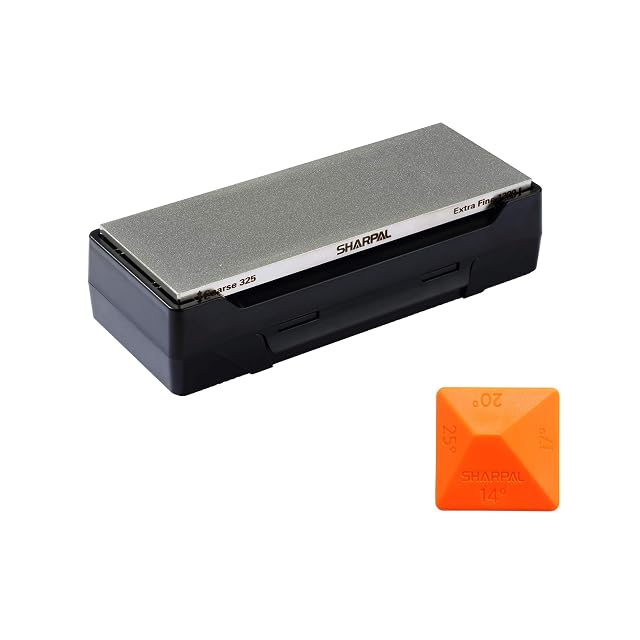
SHARPAL 162N dual-grit diamond sharpening stone

SHARPAL Diamond 325/1200 with storage base

8.7/10

Wins 3 of 9

Check price

≈ $70

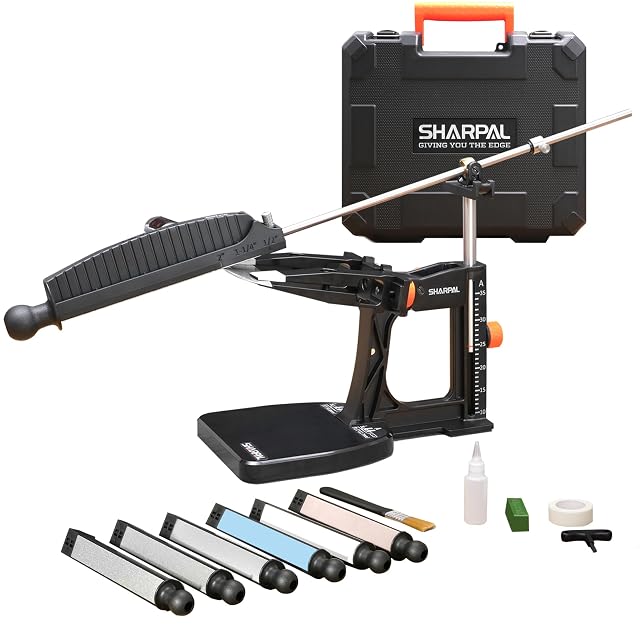
SHARPAL 202H angle-adjustable knife sharpening system

SHARPAL Angle-adjustable system, 10°–35°

8.4/10

Wins 5 of 9

Check price

≈ $180

Spec against spec

Compared on Diamond 325/1200 with storage base Angle-adjustable system, 10°–35°
Abrasive Industrial monocrystalline diamond Monocrystalline diamond
Grits 325 (45 micron) and 1200 (12 micron) 220, 325, 600 and 1000
Angle control Freehand 10° to 35°, adjustable
How the angle is set By your hands By distance between blade and abrasive, stated
Substrate 0.9 cm (0.4 in) steel base Not published
Pieces One plate plus a non-slip base Seven, including a whetstone
Stated for hard materials High-speed steel, carbide and other hard materials Not published
Skill needed on day one Considerable Very little
Bulk to store One plate A seven-piece set
Listed on amazon.com Yes Yes

A tick marks the better answer on that line only. Counting ticks does not decide the page — the two verdicts below do, because these products answer different questions.

Which of the two suits your cooking

Buy the SHARPAL Diamond 325/1200 with storage base

Prefer the plate if you sharpen a few knives and want to learn properly. A 0.9 cm (0.4 in) steel substrate keeps it flat — which matters more than it sounds, because a bowed plate puts a curve in an edge that no technique removes — and it never needs flattening the way a water stone does.

Buy the SHARPAL Angle-adjustable system, 10°–35°

Prefer the guided system if you own knives ground at different angles, or if you have tried freehand and given up. Publishing a 10° to 35° range is what lets one jig handle a 13° Japanese santoku and a 20° European chef’s knife without guesswork, and four diamond grits cover repair through refinement.

The questions that come in

Does a guided system produce a worse edge?

No — a correctly set jig produces a more consistent bevel than most hands do. What it costs is bulk, setup time, and the skill you would otherwise have acquired.

Why does the steel substrate matter?

A diamond plate must stay flat. Bonded to 9 mm (0.35 in) of steel it does; on a thin substrate it can bow under pressure, and a bowed plate grinds a curve into the edge.

Do I still need a honing steel?

Yes, with either. Sharpening removes metal; honing pushes a rolled edge back into line and takes ten seconds. They are different operations and both kitchens need both.

The long version of each