Skip to content

Dutch ovens: iron, aluminum, or the one whose lid is a pan

A Dutch oven is a heavy lidded pot for slow cooking, and the material changes what it is for. Bare cast iron goes on a fire; enamelled iron does not need seasoning; cast aluminum is a third of the weight and holds heat worse; stainless is the one that also boils pasta. The right answer depends on where you intend to cook.

Five pots, four materials, and four different jobs.

For bread and the hob

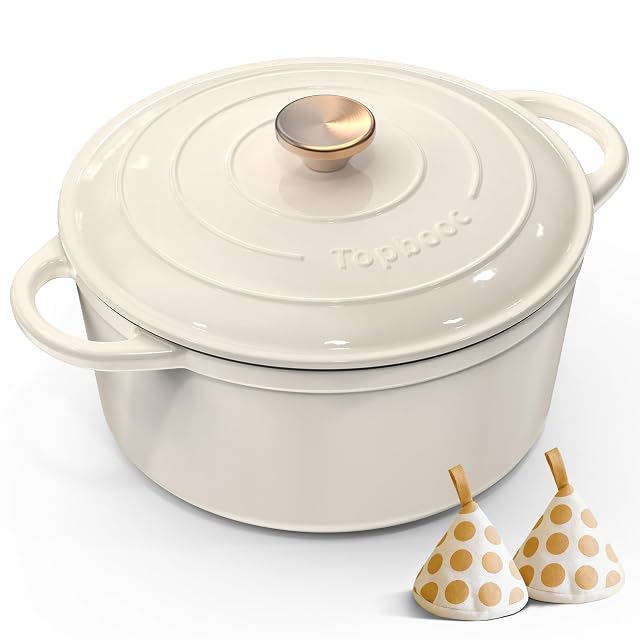
The Topbooc 26 cm (10.2 in), 5 liters of enamelled cast iron, stated for bread baking, and compatible with induction, ceramic and gas. Enamel means no seasoning and no rust, and it means treating it gently — enamel chips.

For a fire

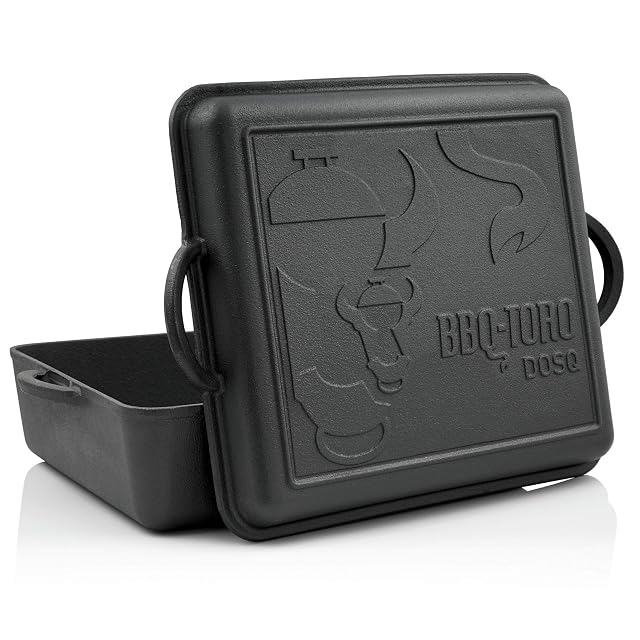
The BBQ-Toro rectangular cast iron, 10.5 liters total: 7.5 in the pot and 3 in the lid, 40 × 30.5 cm (15.7 × 12 in), pre-seasoned. The lid holding three liters makes it a second pan, and the 40 cm (15.7 in) footprint suits embers rather than a hob ring.

For lifting

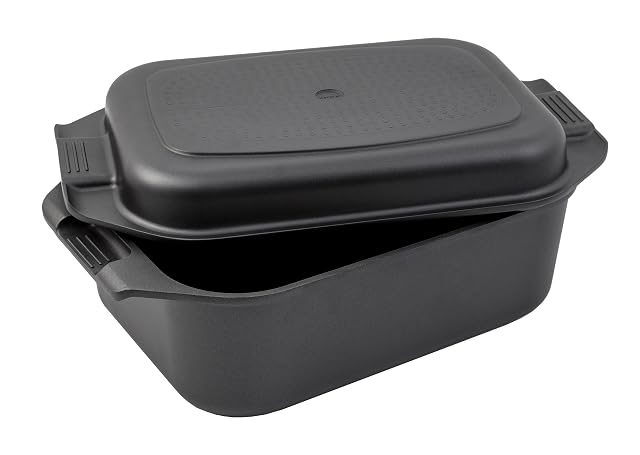
The Karcher 42 × 25.5 × 12 cm (16.5 × 10 × 4.7 in), 8.7 liters, cast aluminum with a PTFE coating and a lid that doubles as a pan. Far lighter than iron, and not for a fire.

For everything else

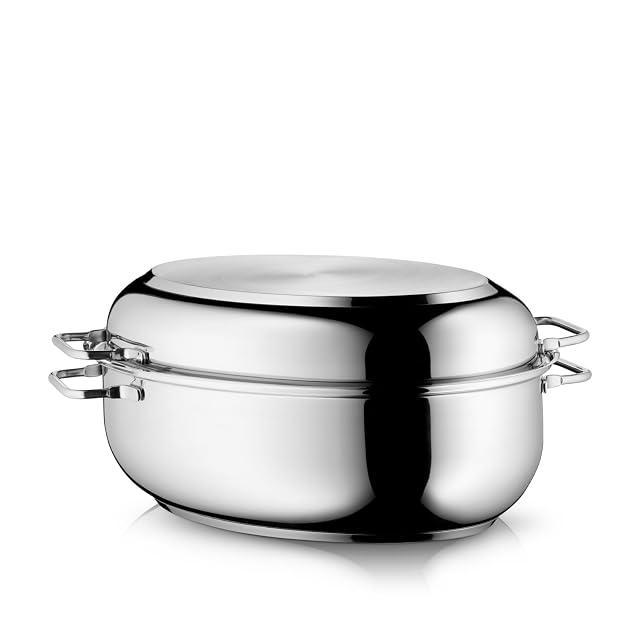
The WMF 41 × 28.5 × 18 cm (16.1 × 11.2 × 7.1 in) with a 30.5 × 18 cm (12 × 7.1 in) base, 8.5 liters, uncoated Cromargan 18/10, with a lid that doubles as a pan. Stainless means it also boils, and it publishes more dimensions than anything else here.

The cheapest way in

The GSW cast aluminum with a multi-layer nonstick on an extra-strong FerroTherm base, lid included, induction compatible.

The question that decides it

Where will you cook? Fire means bare iron. Hob and oven means anything. Bad wrists mean aluminum.

Which pan does your cooking want?

You braise and stew
This is the piece that does it best, and it lasts indefinitely.
You bake bread
A lidded cast iron pot is the classic domestic answer.
You struggle with weight
This is the heaviest thing in most kitchens, full or empty.
You want it enamelled
Easier to use and to clean, and chippable in a way bare iron is not.

Picking by what you cook

Braising and stewing

Long low cooking where heat retention does the work. The classic use.

Bread

Where the lidded pot traps steam and produces a crust a tray cannot.

Hob to oven

Where searing then transferring to the oven happens in one vessel.

Frying

Where the thermal mass keeps oil temperature stable, though the weight makes it awkward.

What makes the difference in use

Enamelled or bare
Enamel needs no seasoning and can chip. Bare iron needs seasoning and can be restored indefinitely.
Weight
This is the deciding factor for many people. Full of stew it is heavy, and that is a daily reality.
Size
Too large and it is unmanageable and half empty. Buy for your usual batch.
The lid
A heavy well-seating lid is most of what makes braising work. A loose one lets everything escape.
Oven temperature limit
The knob material often sets it. Some are rated far lower than the pot itself.

Which figure for which dish

Your priorityThe choiceThe trade-off
Ease of useEnamelledCan chip
Indefinite repairBare cast ironNeeds seasoning
BreadHeavy lidded potVery heavy
ManageabilitySmaller sizeLess batch capacity

Where it usually goes wrong

Buying the largest size
It is heavier than most people expect and half empty for normal cooking. Size it to your usual batch.
Subjecting enamel to thermal shock
Cold water into a hot enamelled pot risks the surface. Let it cool, as the maker advises.
Ignoring the knob’s temperature limit
The pot may take far more heat than the knob does, which is a common and avoidable damage.
Storing it damp
Bare cast iron rusts, and even enamelled pots have exposed rims that will.

By the cook you are

The stew cook
Gets the most from it, and uses it weekly through winter.
The bread baker
Wants a heavy lid and accepts the weight for the crust.
The one who dislikes weight
Should try lifting one full before buying, because that is the daily reality.

Care, seasoning and how long it lasts

Cast iron outlives its owners when treated properly and fails quickly when it is not. Enamel chips from knocks and thermal shock rather than from cooking, and bare iron rusts within hours of being left wet. Neither is fragile, but both are unforgiving of the same two habits.

  • Let the pot cool before washing; thermal shock is what damages enamel.
  • Dry bare cast iron immediately and wipe with a little oil.
  • Avoid metal utensils on enamel and abrasives on any surface.
  • Check the knob’s temperature rating against how you use the oven.

Safety

Weight and retained heat both matter.

  • Use two hands and dry cloths; a full pot is heavy and the handles get hot.
  • Remember it stays hot long after the heat is off.
  • Never lift a full pot across a kitchen if you can avoid it.
  • Keep it out of reach of children when in use.

Our choices, and the reasons

  1. Karcher 8.7 L cast aluminum roaster

    42 × 25.5 × 12 cm (16.5 × 10 × 4.7 in) · 8.7 L · cast aluminum with PTFE coating · lid doubles as a pan · oven safe to 260 °C (500 °F)

    An 8.7 liter cast aluminum roaster with a Teflon Classic coating, a lid that works as a pan, and a published oven limit of 260 °C (500 °F).

    Best for: Large joints, for someone who wants a roaster that is not cast iron heavy.

    8.1/10

  2. WMF Oval roaster 8.5 L

    41 × 28.5 × 18 cm (16.1 × 11.2 × 7.1 in) · base 30.5 × 18 cm (12 × 7.1 in) · 8.5 L · Cromargan 18/10 uncoated · lid doubles as an induction pan

    An uncoated 8.5 liter oval stainless roaster that publishes its base dimensions, with a lid that is itself a usable induction frying pan.

    Best for: Roasting joints and braising anything acidic, for years.

    8.7/10

    ≈ $185

  3. GSW Gourmet Granit universal roaster

    Cast aluminum with multi-layer nonstick · extra-strong FerroTherm base · lid included · induction

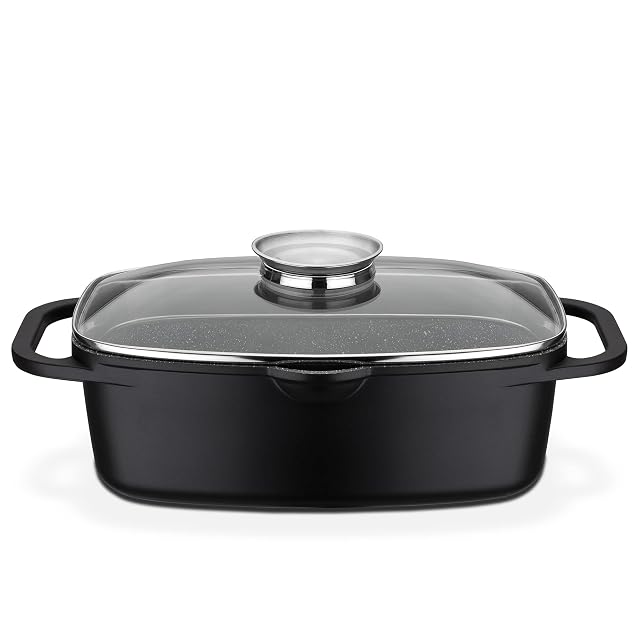
    A cast aluminum roaster with a multi-layer nonstick coating and the maker’s FerroTherm base, at the entry price of this hub — lighter than iron and far less to look after.

    Best for: Someone who wants a roaster they can lift, and will replace it in due course.

    6.9/10

    ≈ $100

The questions that come in

Enamelled or bare cast iron?

Enamelled needs no seasoning and can hold acidic food indefinitely; bare iron must be seasoned and dried, and can go in a fire. Enamel chips if dropped; seasoning can be rebuilt. They are different tools.

Can I bake bread in one?

That is one of the classic uses — the lid traps steam from the dough, which is what gives a crust. The Topbooc here states bread baking explicitly.

Is cast aluminum a compromise?

It is lighter and it heats faster; it holds heat less well, which is exactly what a Dutch oven is for. With a coating it also cannot go over a fire. For a hob and an oven it is perfectly good and much easier to lift.

What size should I buy?

Size it to your usual batch. The largest models are heavier than most people expect and sit half empty for everyday cooking.

How do I avoid chipping the enamel?

Avoid knocks, metal utensils and thermal shock. Letting it cool before washing prevents most enamel damage.

How long does one last?

Cared for, indefinitely; that is the point of the material. Neglected, bare iron rusts within hours and enamel chips quickly.

Is the weight really a problem?

For some people yes, and it is worth lifting one full before buying. That weight is the daily reality of using it.

Can I use it on any hob?

Cast iron works on every hob type, including induction. On glass surfaces lift it rather than sliding it, because the weight scratches easily.
Each pan, and the cooking it rewards

Topbooc SC-LA-2612

Good for: Bread, braises and stews for four to six.

What it does best: 5 liters is the size that suits most households and browns properly

What it does badly: No oven temperature published, and the knob usually sets it

Read the full review →

BBQ-Toro Dutch Oven Pan rectangular

Good for: Outdoor cooking, fire pits and joints that do not fit a round pot.

What it does best: Publishes pot and lid volumes separately, which no other listing here does

What it does badly: Bare iron: it rusts if stored damp and needs drying on the heat

Read the full review →

Karcher B07BYT2WW8

Good for: Large joints, for someone who wants a roaster that is not cast iron heavy.

What it does best: Publishes an oven limit — 260 °C (500 °F) — which is high enough for bread

What it does badly: A PTFE coating in a roaster faces long wet cooking, which shortens its life

Read the full review →

WMF 0788016040 · $185

Good for: Roasting joints and braising anything acidic, for years.

What it does best: Publishes the BASE dimensions, not just the external size — the figure that meets the hob

What it does badly: No oven temperature figure

Read the full review →

GSW 410182 · $100

Good for: Someone who wants a roaster they can lift, and will replace it in due course.

What it does best: Far lighter than cast iron, which is what stops many roasters being used

What it does badly: A coating in a braising pot faces long wet cooking, which is hard on it

Read the full review →

Short answer first

  • If your main concern is the price → look at GSW 410182
  • If your main concern is our rating → look at WMF 0788016040

What is behind this list

The pans here are drawn from the catalog of this site. Specifications come from the maker and from the Amazon product page; prices are what Keepa recorded on the date below, and both move. Order is set by declared specifications, by stated strengths against stated limits, and by price. Nothing here has been cooked with by us, and no claim to the contrary is made.

Last checked on

Prices quoted in these summaries are dated readings. The live price is shown next to each product.

The tool we use ourselves

Chosen your tool? Now buy it at the right price.

Cookware sets, knife blocks and cast iron swing by thirty dollars or more across the year, and the biggest "discounts" often land at prices the same model sold for six weeks earlier. UniverTrack tracks the real price history across retailers, spots fake reductions, and alerts you when it is genuinely the moment to buy.

Real price historyBuy-now alertsAI buying assistant
Try free for 14 days →
No commitment · Cancel in one click · 5 languages