Skip to content

Induction: the pans that work, and two that do not

Induction does not heat a pan; it makes the pan heat itself, which only works if the base is ferromagnetic. Most modern pans are, and a few good ones are not — including two made in France that are otherwise among the best coated pans here. This guide names both, so you do not find out after delivery.

Induction hob
Photo : Towfiqu barbhuiya, Unsplash
Induction hob
Photo : Cooker King, Unsplash

Induction is the one stove type that refuses pans outright. Here is how to choose without guessing.

The stainless option

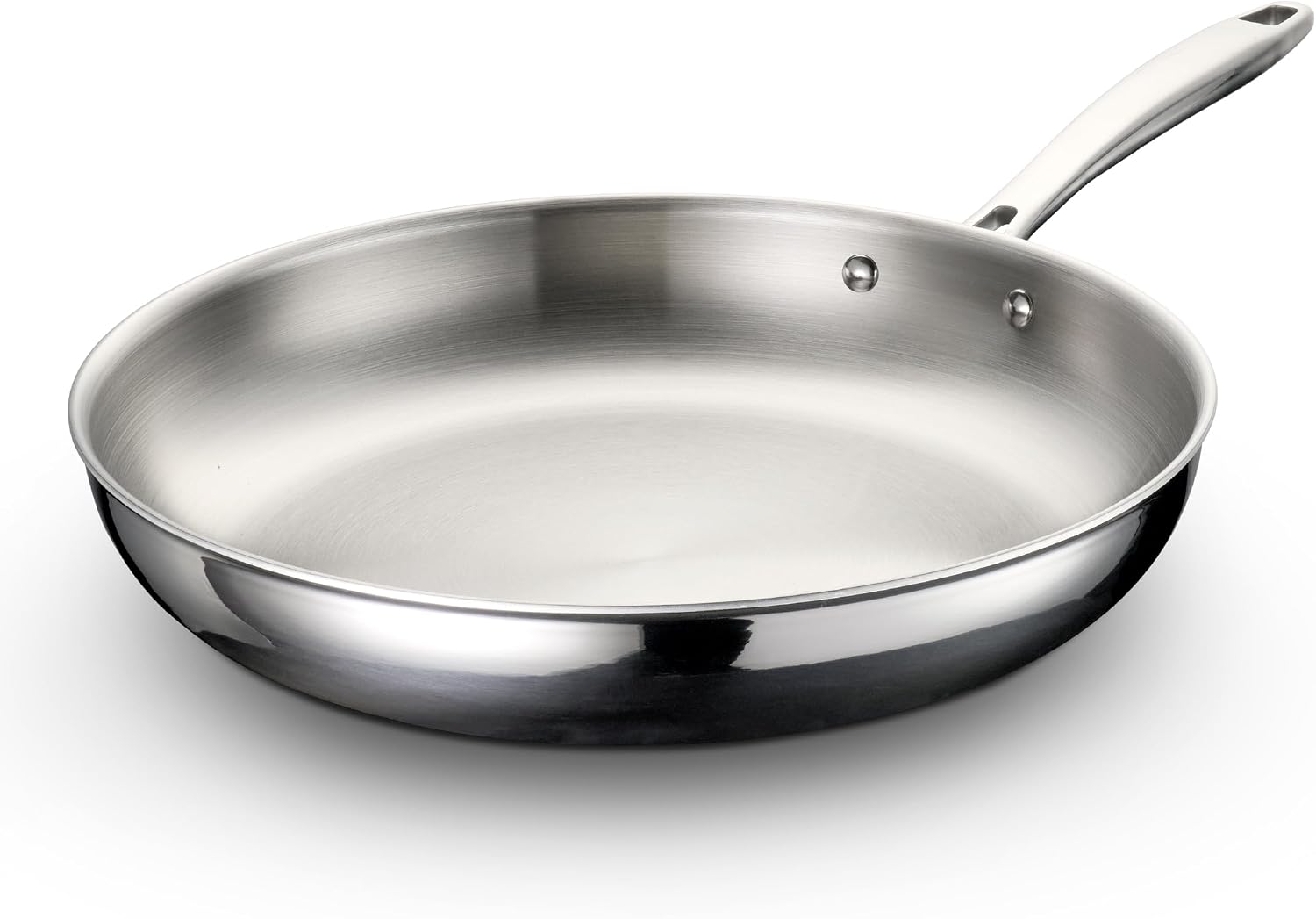
The Tramontina tri-ply 12 in is listed for all cooktops, including induction, at about $36.

The nonstick option

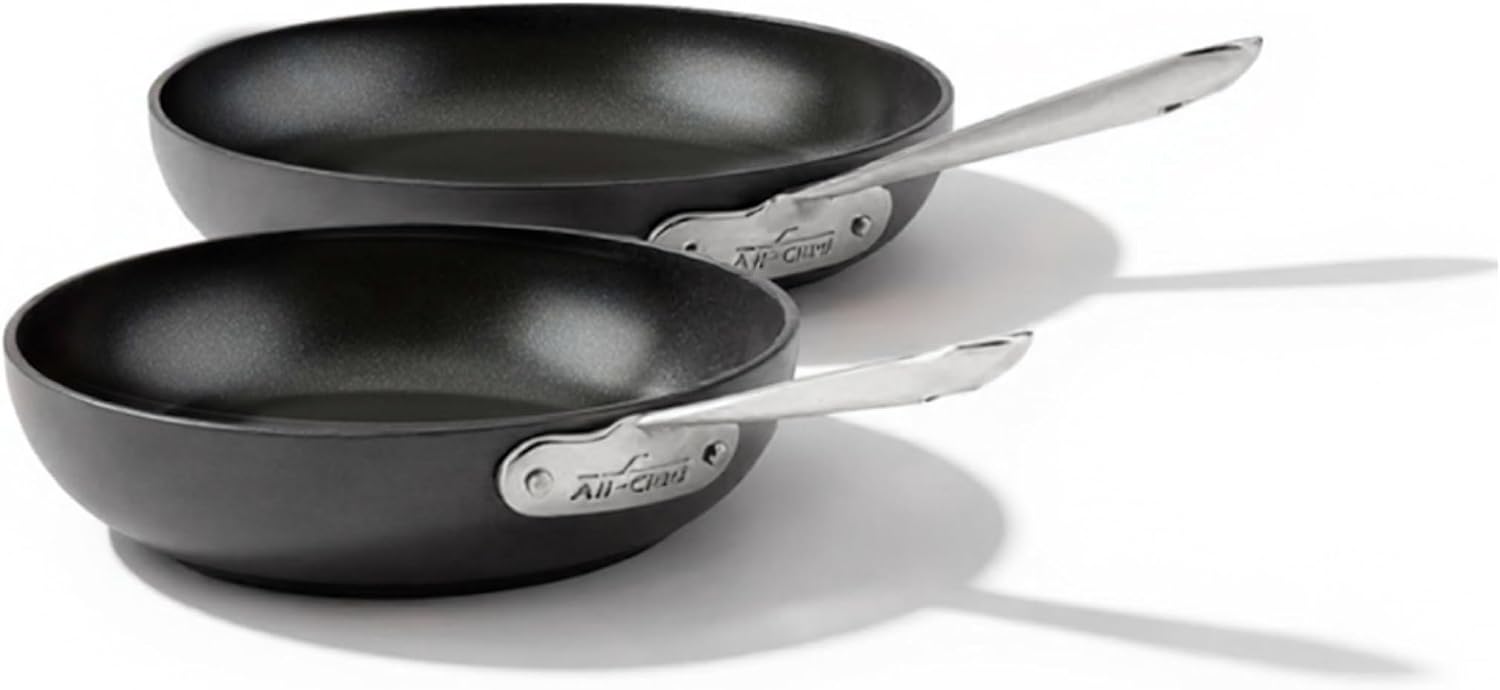
The All-Clad HA1 has a stainless base under hard-anodized aluminum. Aluminum alone does not respond to induction, and that plate is why this pan does.

The iron option

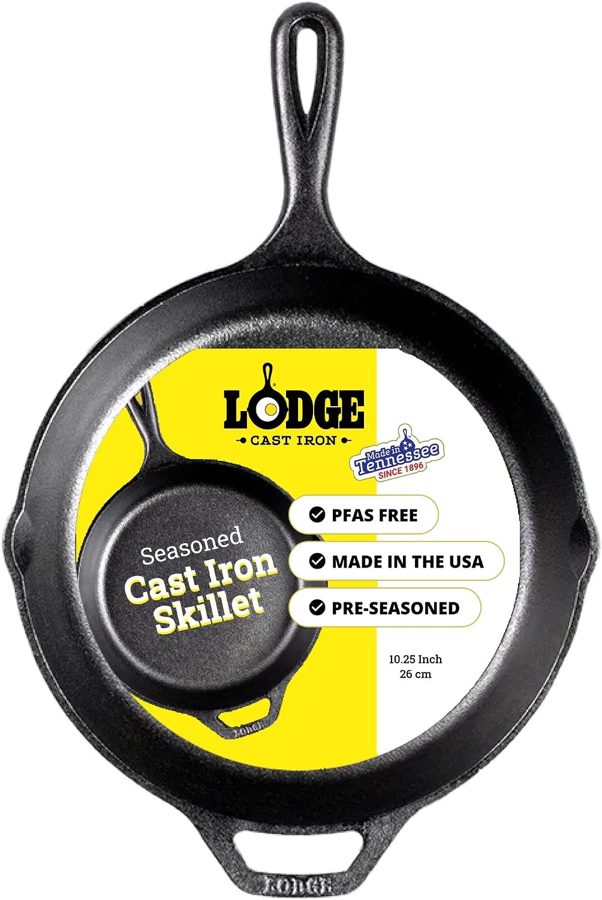
The Lodge 10.25 in is magnetic all the way through. Lift it rather than slide it on glass.

The imported option

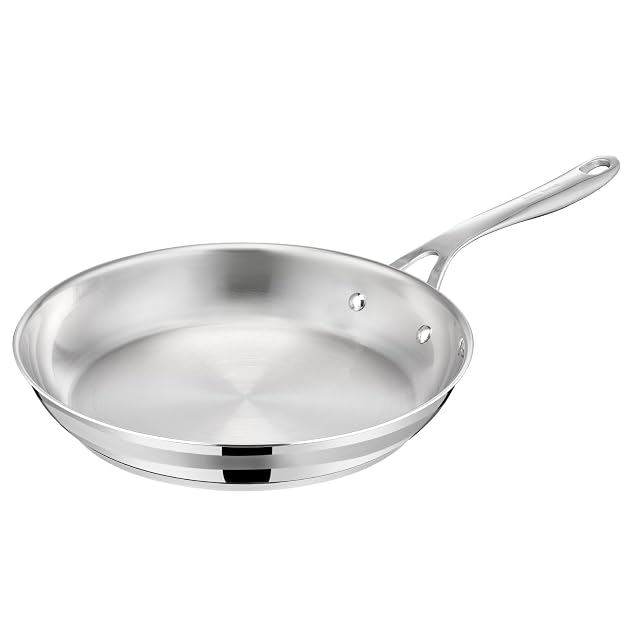
The T-Fal Jamie Oliver 11 in has a stated induction base.

For a wok

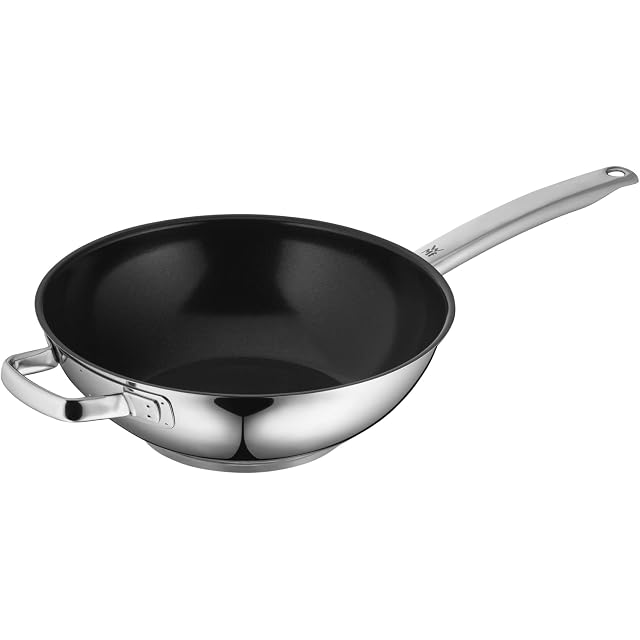
The WMF 11 in is on a TransTherm base, stated for all stovetops.

The ones to avoid on induction

The T-Fal Ultimate says “excluding induction” in its bullets. The Tramontina Professional does not list it. Both are fine on gas.

Induction hob
Photo : Alexander Sergienko, Unsplash

Which pan does your cooking want?

You have just moved to induction
Check every pan with a magnet before buying anything new.
A pan buzzes or rattles
That is usually the base and the stovetop interacting, not a fault.
You want fast response
A thinner base reacts faster; a thicker one evens out hot spots.
Your pan is smaller than the zone
It may not be detected at all, which surprises most new induction users.

Picking by what you cook

Everyday frying

Where induction’s speed is a genuine pleasure and also a trap for burning.

Searing

Where a heavy magnetic base gives the stability of heat that induction alone does not.

Low simmering

Where cheaper stovetops pulse the power and a thick base smooths that out.

Replacing an old batterie

Where the magnet test decides what survives the move.

What makes the difference in use

Magnetic base
Non-negotiable. A magnet that sticks firmly to the base is the whole test, and it takes a second.
Base diameter
It must match the zone. Too small and the stovetop may not detect it; too large and the edges stay cool.
Base flatness
Induction is unforgiving of a warped base. Contact is everything.
Base thickness
Thicker evens out the stovetop’s power cycling and holds heat; thinner responds faster.
Noise
Some pans hum or buzz on induction. It is a normal interaction, but it varies between pans and annoys some people.

Which figure for which dish

The questionThe answerWhy
Will it work?The magnet testTakes one second
Why is it not detected?Base too smallThe zone needs contact area
Why does it buzz?Base constructionNormal, but varies
Why does it burn?Induction is fastLower settings than you expect

Where it usually goes wrong

Buying without the magnet test
Aluminum and copper pans without a magnetic layer simply will not work. The test takes a second and saves a return.
Using a warped pan
Induction needs flat contact. A base that rocks heats badly and can trip the stovetop’s detection.
Cooking at the settings you used on gas
Induction is faster and food burns before you expect it. The numbers do not translate.
Sliding pans across the surface
It scratches the glass, which is the part of an induction cooktop that does not recover.

By the cook you are

The new induction owner
Magnet-tests everything before replacing anything.
The searer
Wants a heavy magnetic base to steady the heat.
The small-pan user
Needs to check the stovetop’s minimum detected diameter before buying.

Care, seasoning and how long it lasts

On induction the stovetop surface needs as much care as the pans. Scratched glass never recovers, and grit trapped under a pan base does the damage. Pan bases matter too: any warping shows up immediately as uneven heating.

  • Lift pans rather than sliding them across the glass.
  • Wipe the stovetop and pan bases before cooking; grit scratches.
  • Let pans cool before washing to prevent warping.
  • Check base flatness occasionally by setting the pan on a level surface.

Safety

Induction is fast, which is its own hazard.

  • The zone stays hot after cooking from residual pan heat; respect the indicator.
  • Never leave oil heating unattended; induction reaches temperature quickly.
  • Keep metal utensils off the active zone.
  • Follow the maker’s guidance if you have an implanted medical device.

Prices quoted in this text were read on October 31, 2026. The live price is at the top of the page.

Our choices, and the reasons

  1. Tefal Jamie Oliver Cook Smart 11 in (28 cm)

    11 in (28 cm) · 18/10 stainless, uncoated · Thermo-Fusion induction base · riveted cast stainless handle · oven safe

    An uncoated 18/10 stainless pan with a riveted cast stainless handle, and a listing that teaches the water-droplet test rather than assuming you know it.

    Best for: A second pan, for searing and pan sauces, alongside a coated one for eggs.

    6.9/10

    ≈ $45

The questions that come in

How do I test a pan I already own?

Hold a fridge magnet against the base. If it grips firmly, the pan works on induction. If it slides off, it does not, and no adapter plate makes it work properly — an adapter heats the plate, which then heats the pan by contact, which is a burner.

Which pans here are not induction compatible?

The Tefal 10.2 in (26 cm) grill pan and the Tefal 11 in (28 cm) wok both state it explicitly on their listings. Both are made in France and both are good pans; neither will work on your stovetop.

Does the base diameter matter on induction?

Yes, and it is rarely published. A base smaller than the ring heats unevenly at the edges. The Stoneline pan here publishes a 9 in (22.8 cm) induction base under a 11 in (28 cm) pan — that is the figure worth having.

How do I know a pan works on induction?

Hold a magnet to the base. If it sticks firmly, the pan will work. It is the entire test and it takes a second.

Why is my pan not detected?

Usually the base is too small for the zone, or it is warped and not making proper contact. Both are common and easily checked.

Why do my pans buzz?

It is a normal interaction between the base construction and the stovetop. It varies from pan to pan and bothers some people more than others.

Why does everything burn now?

Induction delivers heat much faster than gas. The settings do not translate, and most new users cook a step or two lower than before.

Thick or thin base?

Thick evens out the stovetop’s power cycling and holds heat for searing; thin responds faster. It depends on what you cook most.

Can I use cast iron?

Yes, it works well, but lift it rather than sliding it. Induction glass scratches easily and does not recover.

Each pan, and the cooking it rewards

Tefal E31106 · $45

Good for: A second pan, for searing and pan sauces, alongside a coated one for eggs.

What it does best: Uncoated, so there is nothing to wear out

What it does badly: Sold under Jamie Oliver by Tefal while Amazon’s metadata attributes it to Rowenta — same group, different name

Read the full review: Tefal E31106 →

WMF 0748486021 · $55

Good for: Induction kitchens that want a wok shape without seasoning a steel one.

What it does best: Works on induction, unlike the wok below it in price

What it does badly: A ceramic coating limits how hard a wok can be driven

Read the full review: WMF 0748486021 →

Where the money goes, band by band

What else you will want

Lids, handles and spares from the same aisle, at the price we read. Confirm they match the pan you choose before ordering: it turns on the diameter and the part number, which the product page gives.

  • AOTHOD 446 °F Set · Silicone utensils — Food-grade silicone cooking utensil set rated to 446 °F with stainless steel reinforcement, a thickened soft silicone head for non-stick pans and a seamless one-piece design, dishwasher safe · $22
  • BESTZMWK 33-Piece 304 Stainless · Silicone utensils — 33-piece utensil set with thick top-grade 304 stainless steel handles and durable silicone heads, stated free of any plastic and of BPA, dishwasher safe with hanging holes · $40

Short answer first

Comparisons that settle it

Comparisons already online between two pans from this guide or this aisle.

What is behind this list

The pans here are drawn from the catalog of this site. Specifications come from the maker and from the Amazon product page; prices are what Keepa recorded on the date below, and both move. Order is set by declared specifications, by stated strengths against stated limits, and by price. Nothing here has been cooked with by us, and no claim to the contrary is made.

Last checked on

Prices quoted in these summaries are dated readings. The live price is shown next to each product.