Skip to content

Under thirty dollars: where a knife stops being a compromise

A cheap knife is not necessarily a bad one. What separates a real knife from a pressed shape is whether the listing names its steel, and whether the maker stands behind it. These five do, for under thirty dollars each at our reading.

Kitchen knives
Photo : Kevin Doran, Unsplash
Kitchen knives
Photo : Savernake Knives, Unsplash

Five knives under thirty dollars that tell you something.

The chef’s knife

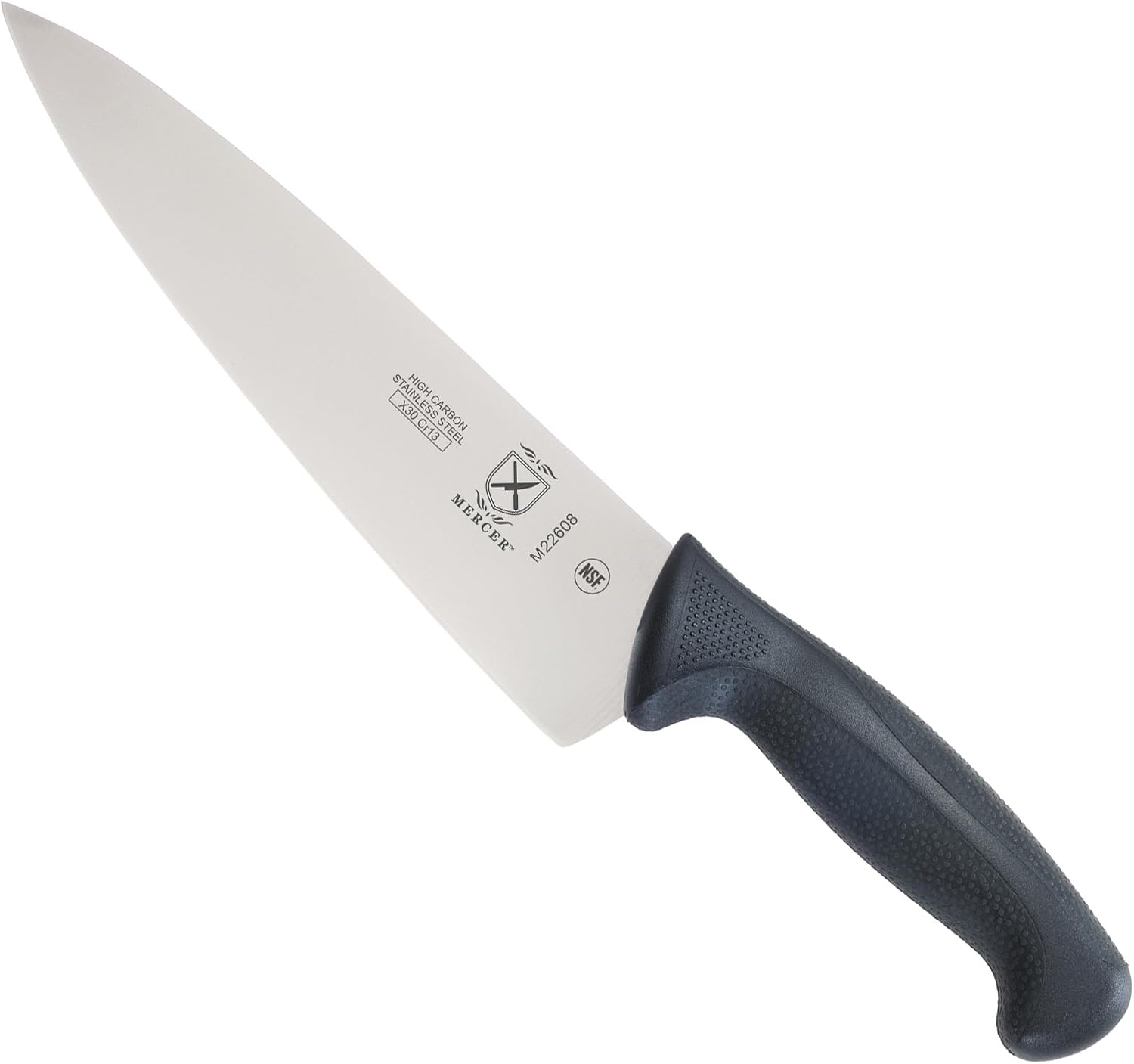
The Mercer Millennia 8 in, about $20, is one-piece high-carbon Japanese steel with a textured handle. This is the one to start with.

The bread knife

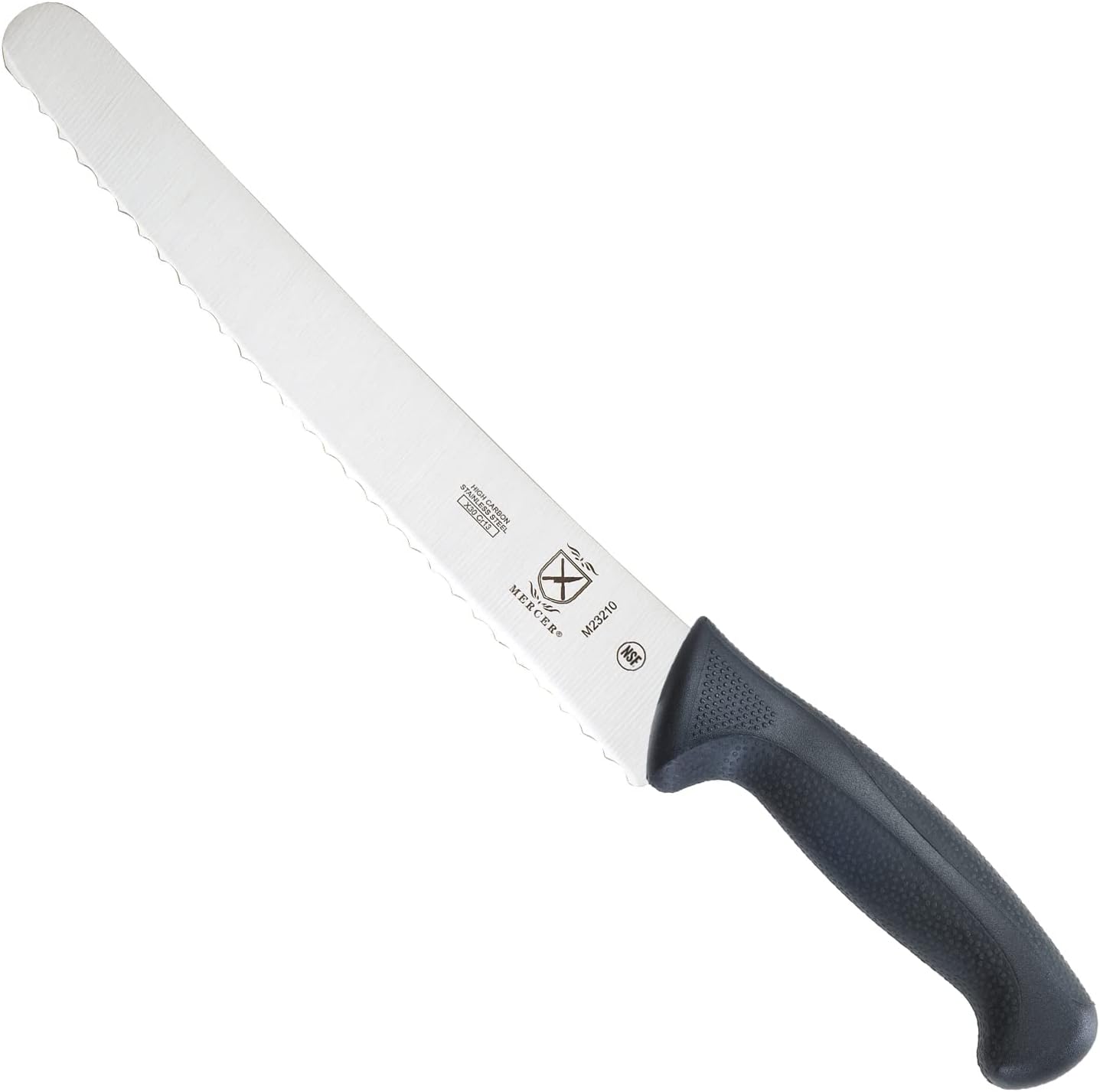
The Mercer Millennia 10 in, about $16, is long enough for a wide loaf.

The paring knives

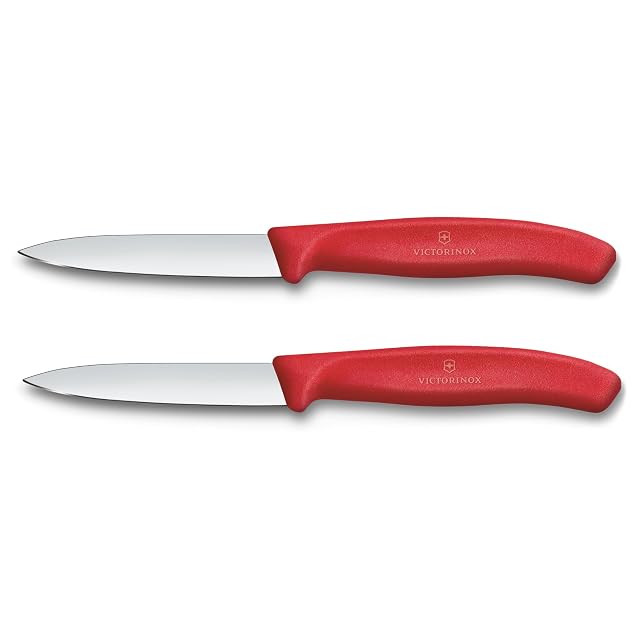
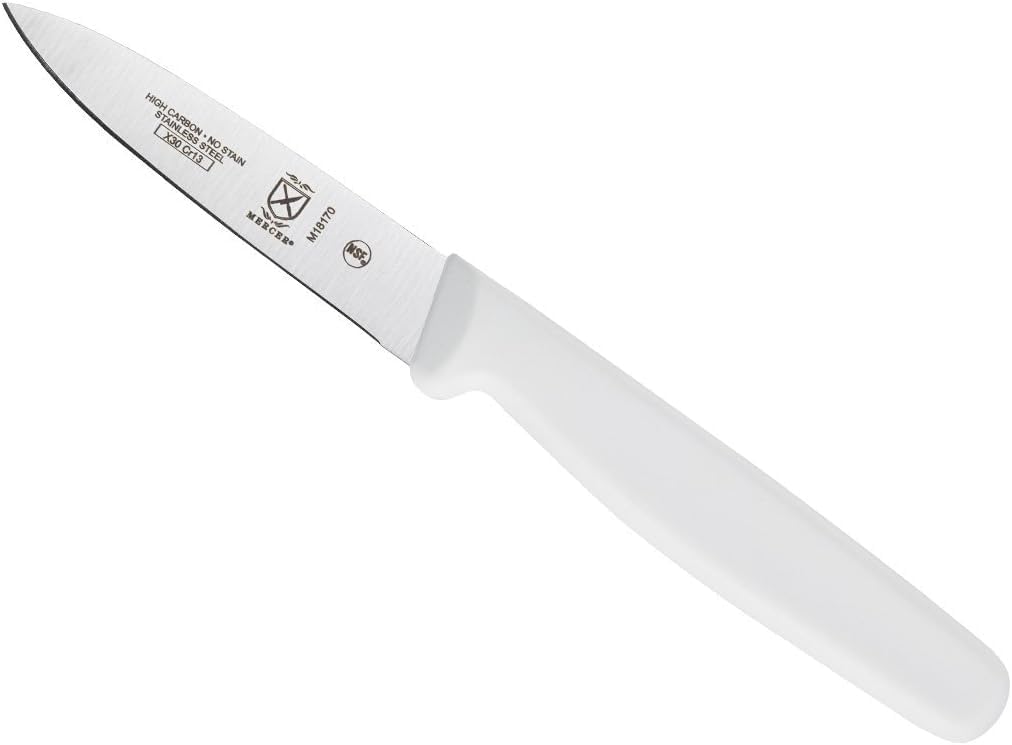
The Victorinox Swiss Classic 3.25 in, about $12, is made in Switzerland with a lifetime warranty line. The Mercer Ultimate White 3 in is about $9.

The budget alternative

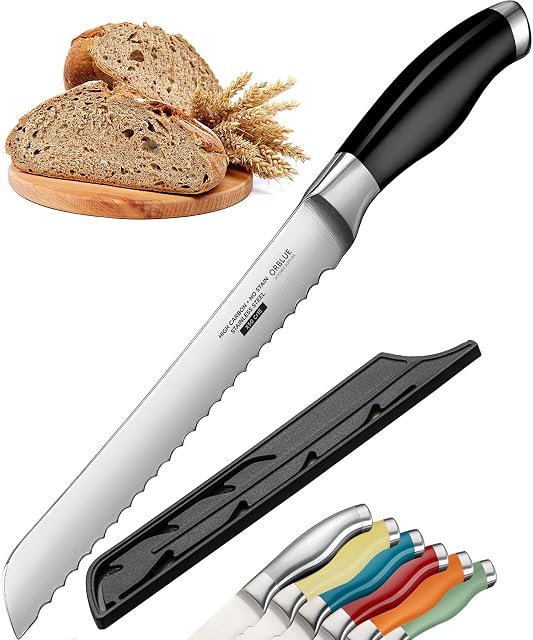
The Orblue bread knife, about $14, is a cheaper way to get a serrated edge.

What thirty dollars does not buy

A forged blade, a Damascus lamination or a published hardness. None of those makes a knife sharper than a whetstone does.

Kitchen knives
Photo : Joseph Van, Unsplash

Which pan does your cooking want?

You have a modest budget
A single chef’s knife beats a set at the same money.
You cannot try it in hand
Handle shape is the one thing photographs cannot tell you.
You will not sharpen
Softer steel is the sensible choice at this level.
You want it to last
Care matters more than price in this bracket.

Picking by what you cook

General kitchen work

Where a modest chef’s knife does everything most home cooks need.

First knives

Where a lower budget is exactly right, because habits are still forming.

Second homes and shared kitchens

Where a good enough knife nobody worries about is the right answer.

Learning to sharpen

Where an inexpensive knife is the one you should practice on.

What makes the difference in use

Handle comfort
At this level the biggest differences are in the handle. A knife that feels wrong will not be used.
Blade thickness behind the edge
A thick wedge pushes food apart instead of cutting. It matters more than the steel name.
Softer steel
Easier to sharpen with basic equipment, which suits this bracket well.
Handle attachment
Where cheap knives usually fail. A well-fixed handle outlasts a slightly better blade.
Sharpening plan
Any knife at any price dulls. What you will do about that matters more than what you spend.

Which figure for which dish

What to prioritizeWhyWhat to ignore
Handle comfortYou will use it dailyMarketing about steel
Thin behind the edgeIt cuts rather than wedgesBlade decoration
Softer steelEasy to sharpenHardness figures
Solid handle fixingWhere cheap knives failBrand prestige

Where it usually goes wrong

Buying a set at this budget
Spreading a modest sum across several knives produces several disappointing ones. One good knife is the better use.
Choosing on appearance
Decorative blades and heavy bolsters add nothing to cutting. Comfort and geometry are what you feel.
Neglecting it because it was inexpensive
A cheap knife well cared for outperforms an expensive one left in a dishwasher and a drawer.
Expecting it never to dull
No knife at any price stays sharp. The sharpening plan matters more than the purchase.

By the cook you are

The first kitchen
One chef’s knife, chosen for the hand, and a plan for keeping it sharp.
The shared house
Wants something good enough that nobody worries about, and easy to sharpen.
The learner
Uses this knife to practice sharpening on, which is exactly what it is for.

Care, seasoning and how long it lasts

At any price the same three habits decide how long a knife lasts, and they cost nothing. In this bracket they matter more, because the handle fixing is usually the weak point and it is precisely what a dishwasher attacks.

  • Hand wash and dry immediately; dishwashers loosen handles.
  • Cut on wood or plastic only.
  • Store so the edge touches nothing.
  • Hone regularly rather than waiting for it to feel blunt.

Safety

Price does not change the rules.

  • Keep it sharp; a blunt knife slips whatever it cost.
  • Never try to catch a falling knife.
  • Keep it out of a sink of washing water.
  • Store it protected rather than loose in a drawer.

Prices quoted in this text were read on October 31, 2026. The live price is at the top of the page.

Our choices, and the reasons

The questions that come in

What does a steel name tell me?

What to expect. 5Cr15MoV is soft-to-middling: easy to sharpen, quick to dull, forgiving. X30Cr14 is similar. A hard Japanese steel at 60+ HRC holds an edge far longer and chips if you twist it. Neither is better; they suit different hands.

Is a stated hardness reliable?

It is a maker’s claim, not a measurement we have taken. What makes it credible is consistency with the steel named — a 5Cr15MoV blade stated at 55 HRC is plausible; the same steel stated at 62 would not be.

Does the edge angle matter?

A 13° per-side bevel is keener and more fragile than a 20° one. It matters most when you sharpen: you have to reproduce the angle the knife was ground at, or you are reshaping rather than sharpening.

What should I look for at this budget?

Handle comfort and a blade that is thin behind the edge. Those two decide how the knife cuts and whether you reach for it.

A knife or a set?

One knife. Spreading a modest budget across several produces several disappointing knives rather than one usable one.

What steel should I choose?

Softer steel is sensible here: it is easy to sharpen with basic equipment, which is what most people at this budget will own.

Will it last?

That depends far more on care than on price. Hand washing, a wooden board and protected storage do more than the price difference.

Where do cheap knives fail?

Usually at the handle attachment, and usually because of the dishwasher. It is the thing to check and the habit to avoid.

Do I still need to sharpen it?

Every knife at every price dulls. Softer steel makes this easier, which is exactly why it suits an inexpensive knife.

Each pan, and the cooking it rewards

Orblue HOME · $14

Good for: A household that bakes as well as buys bread.

What it does best: Sold explicitly for cake, which is a job a bread knife does better than anything else

What it does badly: No blade length published, which is the key figure for a bread knife

Read the full review: Orblue HOME →

Where the money goes, band by band

Short answer first

Comparisons that settle it

Comparisons already online between two pans from this guide or this aisle.

What is behind this list

The pans here are drawn from the catalog of this site. Specifications come from the maker and from the Amazon product page; prices are what Keepa recorded on the date below, and both move. Order is set by declared specifications, by stated strengths against stated limits, and by price. Nothing here has been cooked with by us, and no claim to the contrary is made.

Last checked on

Prices quoted in these summaries are dated readings. The live price is shown next to each product.